
Venice’s Tourist Mask
Death in VeniceThis flow traces how Venice’s beauty and commercial interests coexist with illness, official evasion, and social deterioration.
increasing Bearing strength in each event
 decreasing
Bearing strength in each eventdecreasingA Splendid Entrance
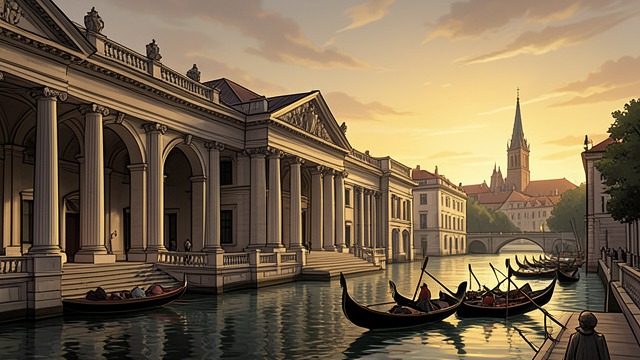
A Splendid Entrance
The theatrical city
Venice displays palaces, churches, and monumental approaches to the arriving traveler. Its image is one of rare beauty, inviting visitors to experience the city as a spectacle.
Beauty and vulnerability
The grandeur makes the later signs of decay more unsettling. The city’s power to enchant visitors will help conceal the danger accumulating in its streets and water.
A City of Stagnant Air

A City of Stagnant Air
Sensory discomfort
Heat, sea air, and dense smells overwhelm Aschenbach in the narrow streets. His body registers a city less serenely beautiful than its public image suggests.
The first contradiction
He resolves to leave because the atmosphere seems unhealthy. The physical warning introduces a conflict between Venice as a beloved vision and Venice as a dangerous lived environment.
Disinfectant and Evasion
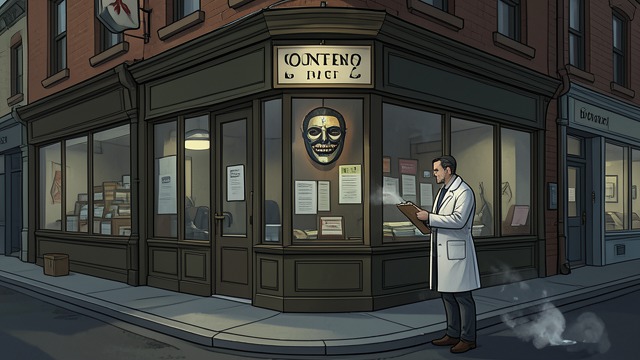
Disinfectant and Evasion
Visible precautions
Aschenbach encounters the smell of disinfectant and official notices offering mild explanations for health measures. Their presence makes the absence of a frank announcement conspicuous.
Tourism protected
Shopkeepers and the press repeat or obscure the official account. The effort to preserve the city’s business conceals the epidemic from visitors whose choices depend on knowing the truth.
A Clerk Tells the Truth

A Clerk Tells the Truth
An alternate account
An English clerk explains that cholera has reached Venice and that authorities are suppressing the facts to protect tourism. His account connects individual illness to a deliberate civic policy.
The mask exposed
The city’s elegant surface is revealed as a commercial performance maintained at public risk. Knowledge now makes the visitor’s continued stay an ethical choice.
Disorder at the End
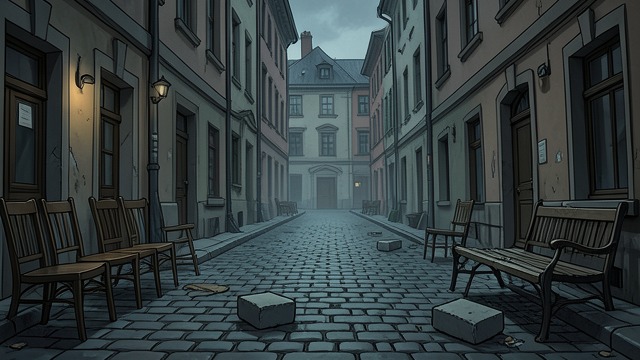
Disorder at the End
Social deterioration
Rumors, departures, and the spread of illness make Venice increasingly empty and unstable. Reports describe crime and demoralization accompanying the concealed emergency.
An image fulfilled
The city’s disorder becomes the outer counterpart to Aschenbach’s private disintegration. His choice to remain binds his fate to the city’s concealed crisis.
As the ship passes through the San Marco canal
During Aschenbach’s first walk through Venice
After Aschenbach returns to the Lido
At the travel bureau after the public denials
During the final days of Aschenbach’s stay
